
The Human Factor Antidote
Putting a little PAL on the FACETS

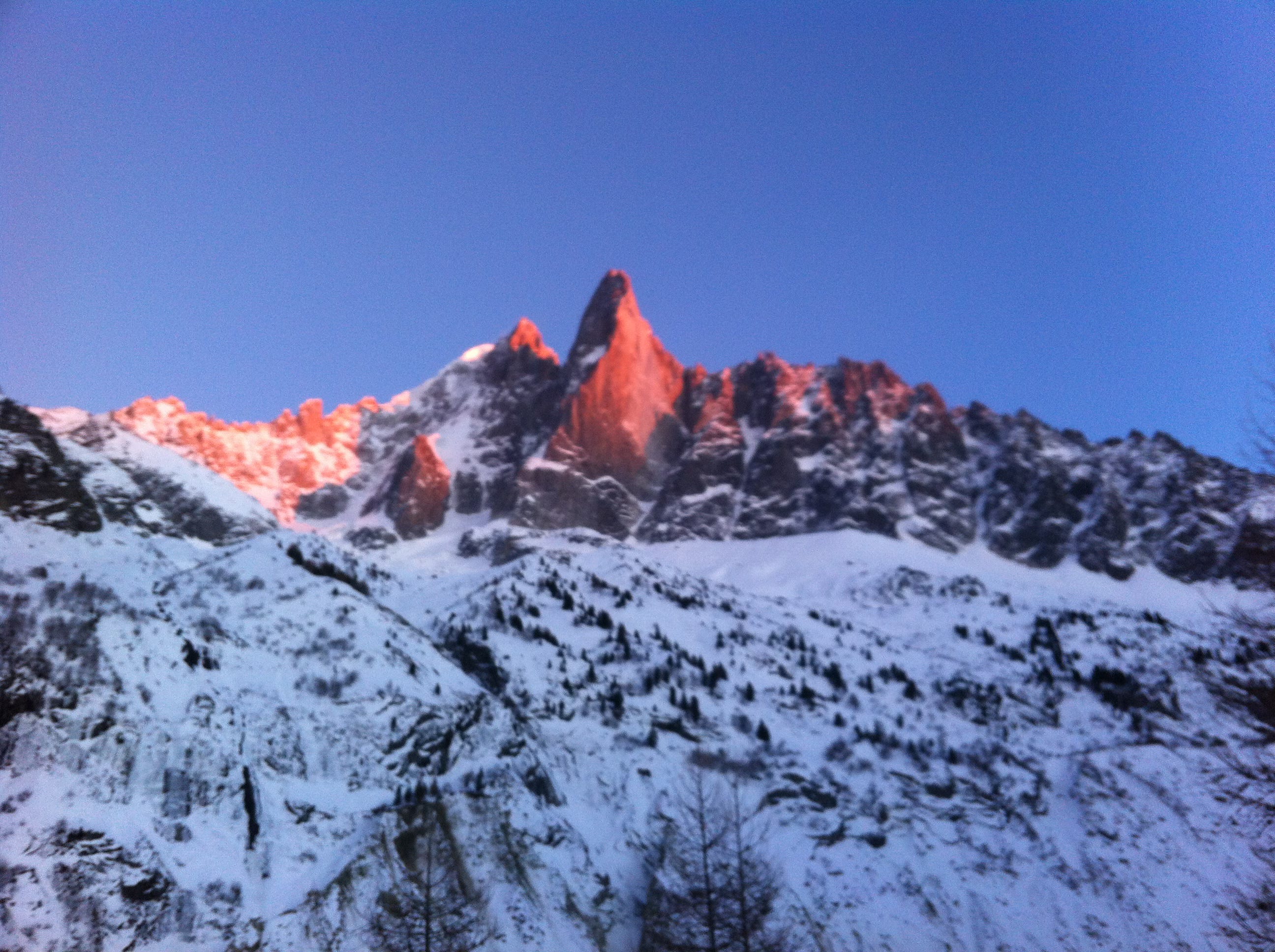
Around 2012, I was in interior BC with a group of employees and athletes from one of my sponsor companies. We were skiing at a resort, in-bounds, when someone pointed to an adjacent, gorgeous powder slope with some tracks on it—an out-of-bounds, lift-accessed hike to a backcountry area. The group headed that way without a discussion, and as we arrived at the base of the hike, my unease bubbled over. I spoke up, in my most shrill voice:
“You guys, the avalanche hazard is above moderate today. We don’t have our backpacks on! This is stupid!”
One of the de-facto leaders, an older guy who is a good friend of mine, said, “There’s plenty of tracks up there. It will be fine.”
I became even more shrill, hot tears pricking the backs of my eyes behind my goggles. “But it’s getting to be mid-day, the sun is on that slope. It will take only 15 minutes to go down and get our backpacks. We can’t go without gear!”
The guys grumbled but eventually they grudgingly rode down and we all walked to the parking lot to get our backpacks.
We did the run, the snow was great and we didn’t set off any avalanches. Afterwards, one of the guys made a good-natured comment teasing me about how maybe we could have gotten in another run if I hadn’t made everyone go back down and get their packs.
I laughed it off, and I felt glad that I finally had worked up the courage to speak up, since there had been prior near-misses where I hadn’t spoken up. But I didn’t feel great about HOW I’d spoken up, and moreover, how I’d been received. I wanted to figure out a way I could speak up and feel respected—not that it should be my responsibility to figure out how not to be shrill!—and contribute to better communication in my backcountry groups and teams, at work and for fun.
I was working on communication in my personal life and began incorporating some communication techniques and lessons into the avalanche courses I was teaching through SAFE AS.
In avalanche education, we talk about decision making and how human factors—or heuristic traps—can make us prone to overlooking facts and red flags. There’s a very helpful acronym called F.A.C.E.T.S. (by Ian McCammon, a Canadian avalanche researcher) that puts the most common 6 heuristic traps into different buckets based on how our decision making might be externally swayed. (Just FYI, in snow lingo, a ‘facet’ is a type of snow crystal that develops over time in the snowpack and is commonly associated with avalanche problems within the snowpack).
If you’re unfamiliar, here’s a quick rundown of the acronym:
F: Familiarity: “I’ve done this run a lot and it’s never slid before.” “It’s right next to the ski area, so it seems familiar and safe.” (Even though the area outside a ski area’s ropes could ski very differently than that within the ski area boundary, where avalanche hazards are mitigated professionally.)
A: Acceptance. “I am so good, I can outrun an avalanche if it happens here.” Or, quite simply, “Effit.” “YOLO!”
C: Commitment: “We’ve paid all this money/we’ve hiked all the way up here/we’ve reserved this yurt trip a year ago. We definitely have to go skiing!”
E: Expert halo: “I’m skiing with Ian, and he’s an expert, so I am just going to trust him to lead me and make our decisions.”
T: Tracks/Social Facilitation: “Someone else skied it first, so it’s good to go.” However, avalanches can happen even to the 5th, 10th, or umpteenth person on the slope. I’ve personally seen an inbounds avalanche at a ski area on a run that was getting skied all day and then just hit its breaking point with wind-loading (snow being deposited by wind) and fractured. Everyone was miraculously ok!
S: Scarcity: The scarcity mindset is insidious in mountain sports. “This is my only day to get out this week!” “It’s finally sunny!” “It’s finally snowing, I need a powder day!”
These are all very recognizable patterns, and I’ve had near-misses due to almost all of these. The bottom line is that avoiding all of these human factor traps boils down to communication, and figuring out how to talk openly and effectively about our motivations, mental space, and decisions in the backcountry.
Recently, discussing the Human Factors with someone, it occurred to me that when we set out trying to avoid certain things, or with a mentality of “what not to do,” it isn’t exactly giving us a road map of actually WHAT TO DO, which is so much more helpful.
I began wondering if there was a way to re-frame this FACETS acronym into something more action-based, using a mindset of Positive Action Language. PAL means that rather than setting out in the mountains (or life!) and saying “I won’t miss red flags today,” instead I will set out thinking about what I WILL do: “I will look for warming temperatures, blowing snow, and signs of instability when I’m on the upper ridge today.”
It’s a seemingly small and obvious change that makes a huge difference. As a thought experiment, here’s a way to potentially think of the above FACETS acronym with a PAL mindset:
Familiarity: What’s different today than the other times I’ve skied this run?
Acceptance: Am I looking at this objectively or is my ego driving the bus? Am I making hurried decisions just to “get it over with,” or avoid the tension of a difficult decision or conversation?
Commitment: There will always be another day! The number one goal is to make it back safe.
Expert Halo: Everyone in the group has a voice. Are we making room for the least experienced to ask questions, and are we answering them with facts and observations?
Tracks/Social Facilitation: We need to treat this slope as a new data point—others’ prior decisions are irrelevant to our current decision. We make our own decisions!
Scarcity: Let’s take a deep breath. I know we want the powder first, and also, more importantly we are here to have fun and be safe. There will always be more powder days!
So many times in life when I make a mistake, it’s easy to tell myself that I won’t do it again. But in the mountains, as in life, it’s so important for me to reflect on what went wrong, and come up with a plan on how to do things differently next time. In the meantime, I’ll continue working on this, and I have many more thoughts on effective communication—on and off the mountain.
Next time, I want to speak calmly and clearly.
“Hey guys, I don’t feel safe heading into the backcountry without my backpack and transceiver. I’m heading back to the car real quick to grab it. Who’s with me?”
Some links for the week:
If you live in Washington, our legislation is in session! Here’s a helpful video from Fuse Washington on instagram that shows you how to give your feedback to our legislators on some important items that are up for a vote, including ranked-choice voting and face coverings for ICE officers.
It’s officially potato season over here. I love potatoes! Here’s a great Swedish recipe that I’ve made for the holidays before to rave reviews (I left out the sprats, which is a cute word for anchovies). Link to NYT recipe for Jansson’s Temptation (Creamy Potato Casserole).
We have a podcast! My friend Malone (lawyer, skier, and music enthusiast) and I started a podcast called All Mountain Podcast, or AMP, to talk about sustainability and mountain culture with our friends and key players in the outdoor industry. We have two interview episodes out, both of which I found incredibly educational, and dare I say, fun. Here’s a link to our second episode, with my friend, pro snowboarder, and sustainability expert Emilé Zynobia, of The Approach and also the movie I shared last week, Inaccessible.
Thanks for reading!
Ingrid
Ingrid. This is BRILLIANT. I was literally just texting with a friend who is one of my primary touring partners. We acknowledged that our communication is what makes the 4 people in this crew tour so well together. We all feel heard, respected, and want too hear each other’s POV.
I love this perspective and twist on FACETS. Soooo helpful.🫡
Our family has made Jansson’s Temptation a few times. I’ll have to try that recipe.